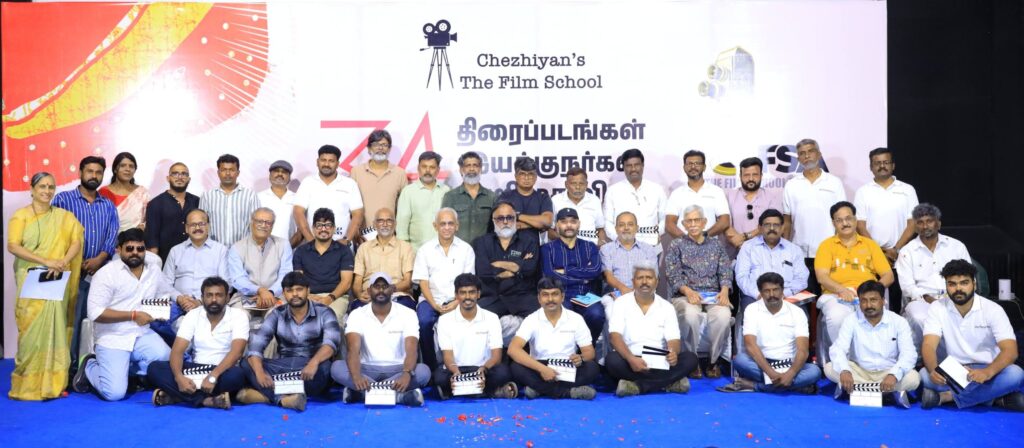
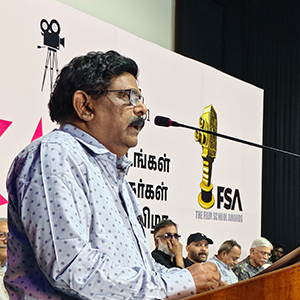
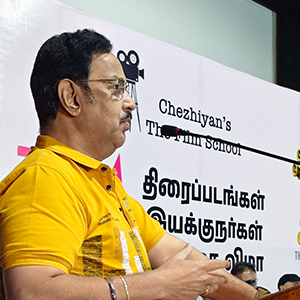
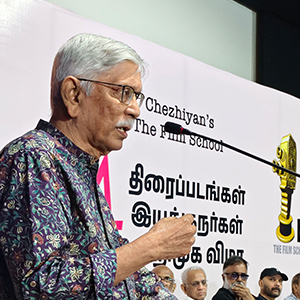
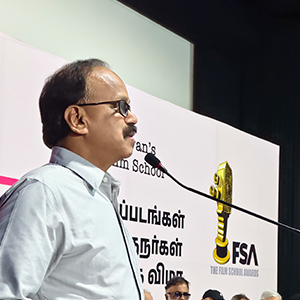
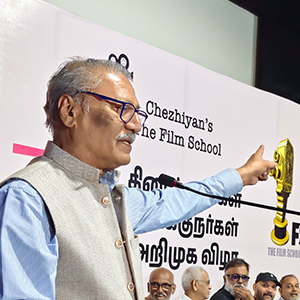
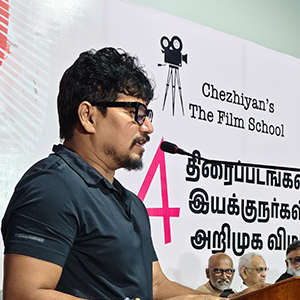
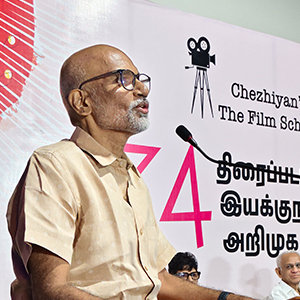
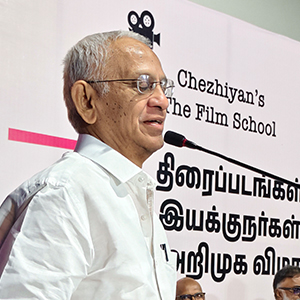
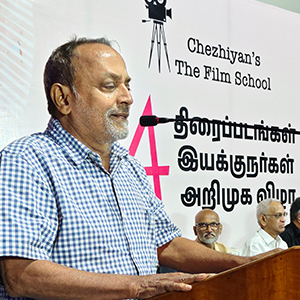
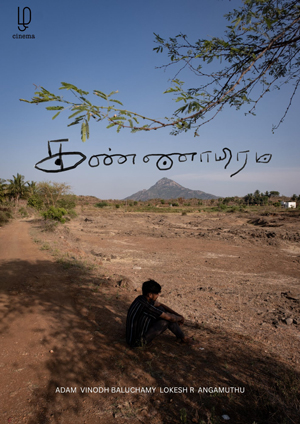
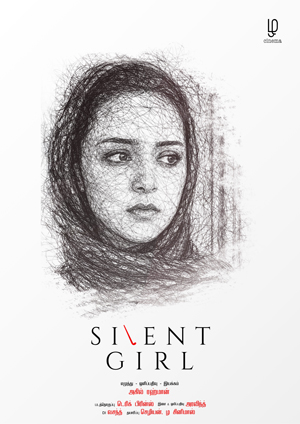
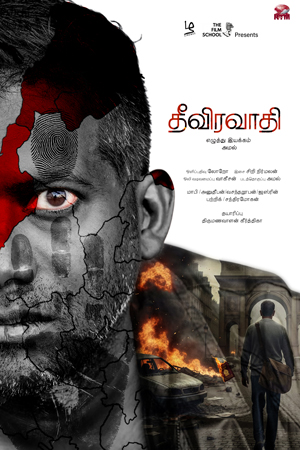
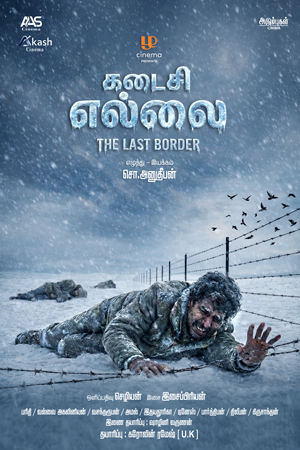
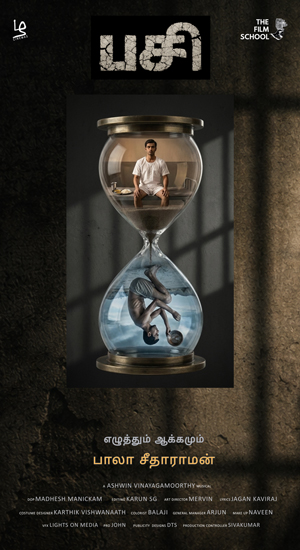
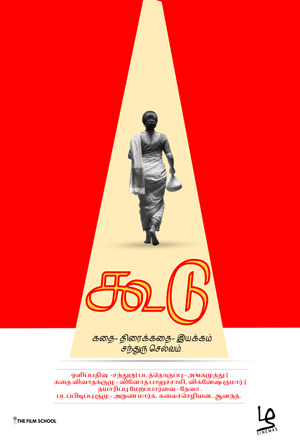
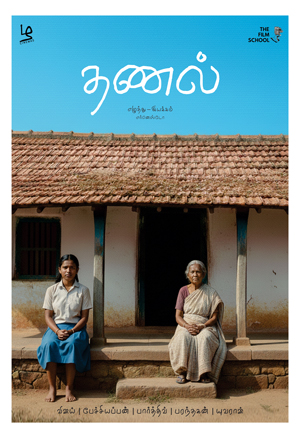
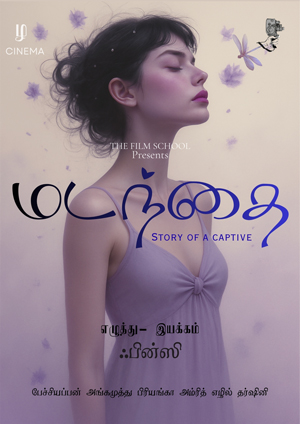
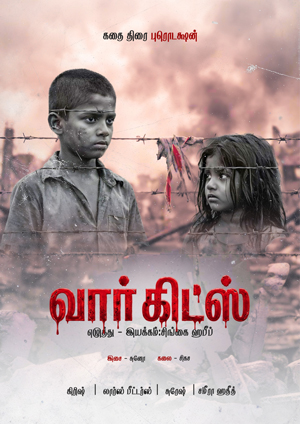
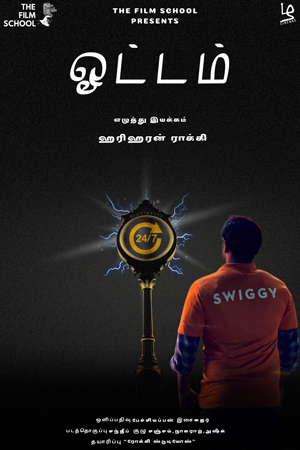
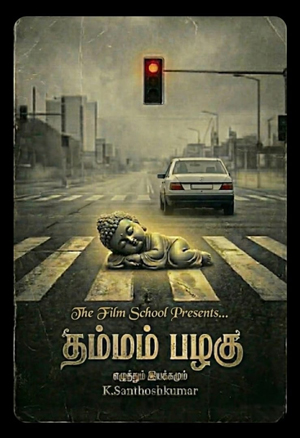
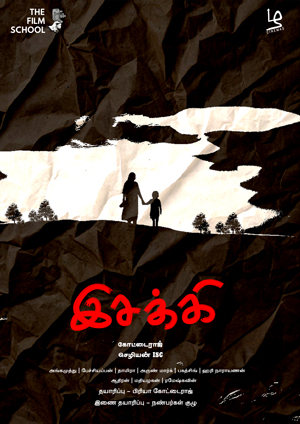
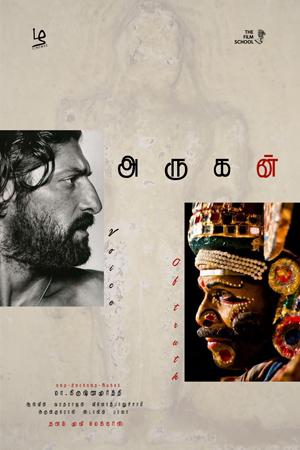
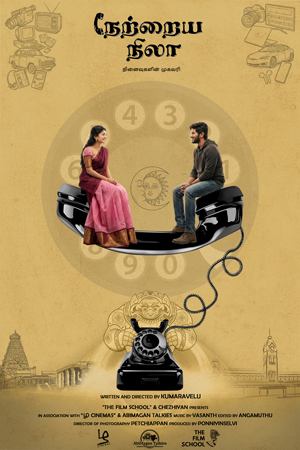
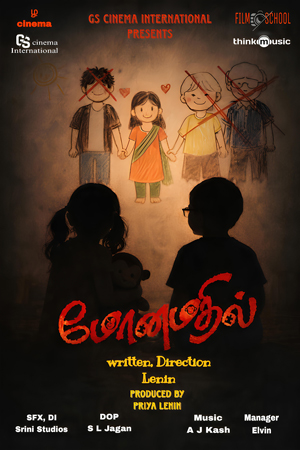
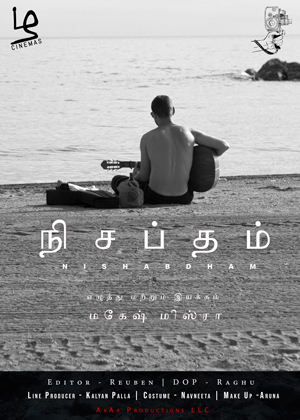
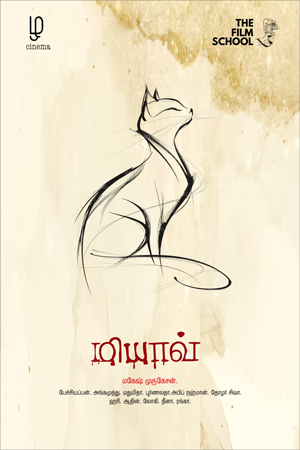
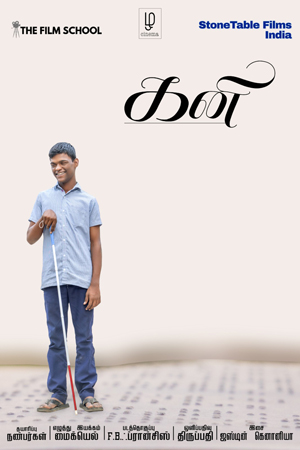
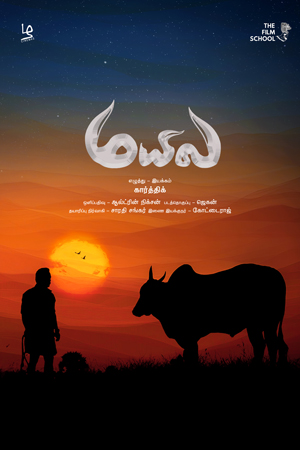
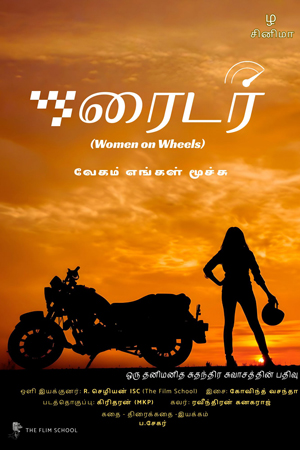
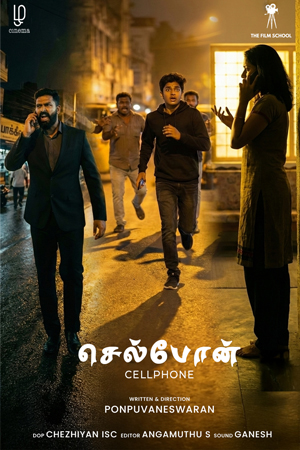
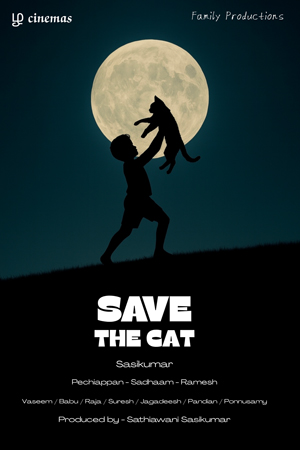
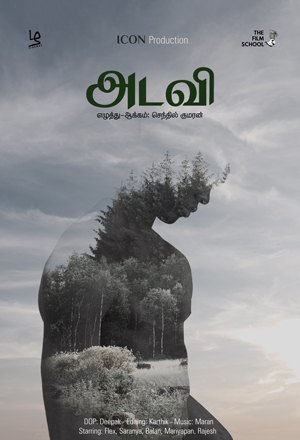
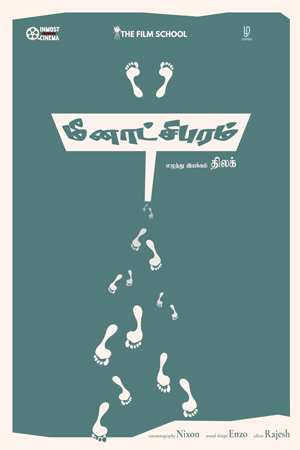
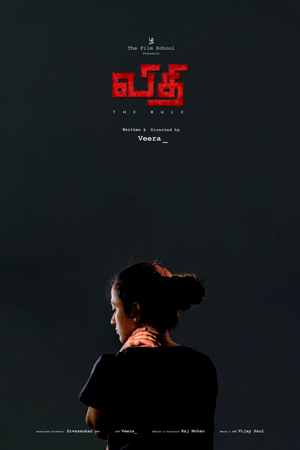
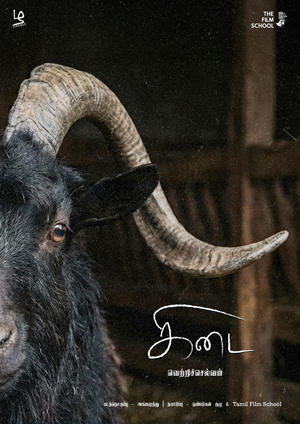
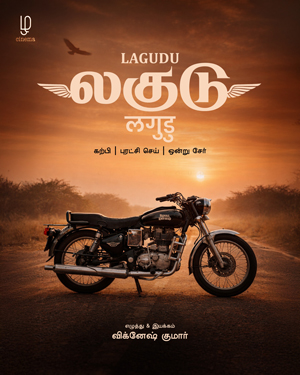
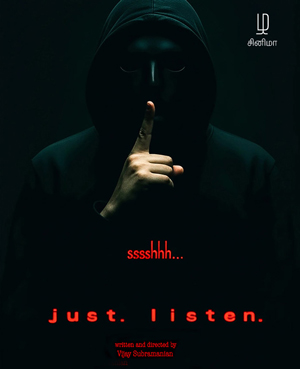
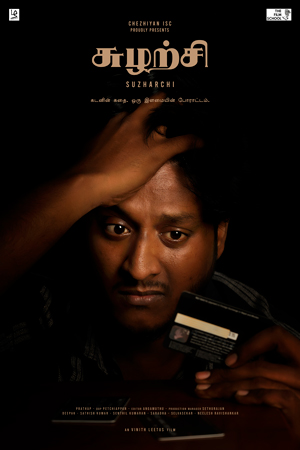
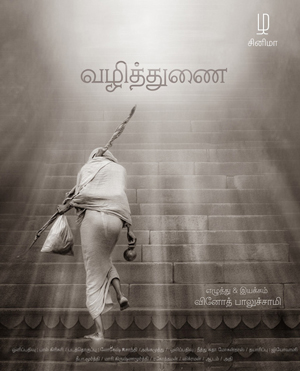
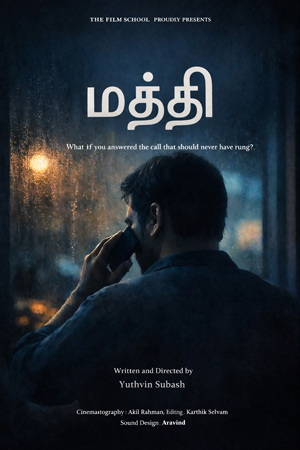
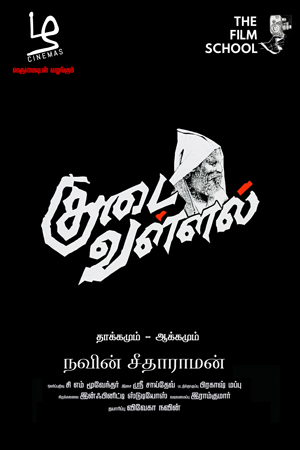
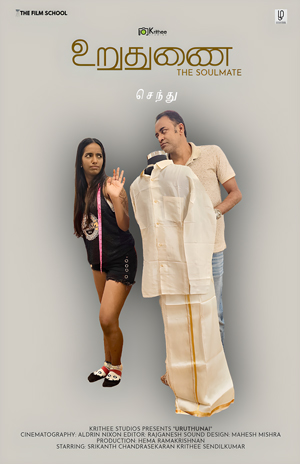
A landmark event introducing 34 independent films created by students of The Film School under the guidance of Chezhiyan. This initiative marks a rare moment in cinema history where 34 films were launched simultaneously from a single institution.
- 34 student filmmakers launched 34 independent films at the same time
- The initiative is considered a rare milestone in film history.
- The event promotes organic cinema rooted in literature, visual culture, and honest storytelling
- Veteran filmmakers, technicians, writers, and critics introduced and supported the new directors.
About the Event
The event in Chennai showcased a major collective effort by students of The Film School. Under the guidance of Chezhiyan, a respected cinematographer, director, writer, and film educator, 34 young filmmakers came together to create independent films.
This initiative is more than a training outcome—it represents an organic cinema movement that values reading, observation, lived experience, artistic depth, and collaboration.
Chezhiyan described his idea of a film school as not a conventional institution, but a shared creative space where cinema meets literature, painting, music, and social thought. His inspiration comes from unconventional approaches to filmmaking education.

Special Guests
B. Lenin
Sreekar Prasad
P. C. Sreeram
Ravi Varman
Trotsky Marudu
Dhananjayan
Gnanarajasekaran
Hariharan
Tapas Nayak
Dr. Thayappan
Pattukkottai Prabhakar
Tamil Praba
Highlights
Chezhiyan welcomed the guests and explained that his film school is inspired by unconventional filmmakers like Werner Herzog and Mohsen Makhmalbaf, who believed cinema should be learned through life, art, and experience rather than formal institutions. He described his school as a creative space where passionate individuals come together to explore cinema, literature, and art.
He emphasized the importance of “organic cinema”—just as nature balances large structures with greenery, the film industry should support both big-budget films and small independent projects. By encouraging collaboration and continuous effort, he believes this approach can create a healthier and more meaningful cinematic ecosystem.
Dr. Thayappan explained that the French New Wave of the 1950s emerged as a movement to break outdated traditions in cinema and other art forms, encouraging fresh, realistic storytelling and innovative techniques. He emphasized that true cinema should make audiences reflect on themselves rather than passively watch.
He noted that such a “new wave” rooted in equality and bold thinking should have emerged strongly in Tamil cinema as well, but meaningful attempts have been limited. He highlighted the need for films that address real social and political issues, while appreciating Chezhiyan’s efforts toward this direction.
Writer Tamil Praba spoke as a student of Chezhiyan and credited him for shaping his understanding of world cinema. He emphasized that strong literary, artistic, and cultural foundations lead to richer filmmaking, which Chezhiyan embodies.
He expressed concern that art-driven cinema is declining in Tamil cinema compared to regions like Kerala, but believes that students from The Film School will bring a meaningful revival and create a new movement.
Director Gnanarajasekaran criticized the current trend in Tamil cinema where films release in thousands of theaters simultaneously, calling it an unhealthy model that needs reform. He emphasized that cinema is not just business but also a creative art.
He noted that earlier, filmmakers had fair opportunities to present their work and accept success or failure, but now the system favors only a few. He appreciated Chezhiyan’s initiative as a meaningful step toward bringing positive change.
Writer Pattukkottai Prabhakar said that Chezhiyan introduced world cinema through his writings, inspiring many, including himself, to explore filmmaking. He noted that Chezhiyan started the film school to share his knowledge and nurture new creators.
He expressed confidence that many of the 34 students will make their mark in mainstream cinema, and appreciated Chezhiyan’s efforts and vision, wishing for its success.
Translator V. Sreeram noted that while today’s technology allows easy access to world cinema, such opportunities were rare in the past. He recalled efforts to screen and introduce global films, but meaningful discussions—especially in Tamil—were limited.
He appreciated Chezhiyan’s effort to bring the spirit of the “New Wave” into Tamil cinema and expressed hope that such creative movements will grow locally.
Producer Dhananjayan praised Chezhiyan for creating the award-winning film To Let on a modest budget, calling it a benchmark in Tamil cinema. He expressed happiness about this initiative and said it deserves wider recognition among producers.
He noted that if even a few of the 34 filmmakers succeed with low-budget films, the effort will be a major success, and he sees this event as a precursor to larger industry-level initiatives.
Director Hariharan shared that after meeting filmmaker Mohsen Makhmalbaf, he introduced his ideas about cinema to his students.
He advised the 34 new directors to stay united, collaborate, and continuously share ideas, emphasizing that only through collective effort can a true cinematic movement or “new wave” emerge.
Cinematographer Ravi Varman said he first knew Chezhiyan as a writer on world cinema, whose work inspired him to watch many films. He praised Chezhiyan for making filmmaking accessible to many with limited budgets and called the launch of 34 films a rare achievement.
He also spoke about changing trends in cinema, such as shorter formats and evolving storytelling styles, and appreciated Chezhiyan for nurturing creators with lasting impact.
Editor Sreekar Prasad emphasized that honesty is essential for independent filmmakers. He advised the 34 directors to create films not just for the present, but with a vision for the future, and extended his best wishes to them.
Trotsky Marudu said he has known Chezhiyan for over 35 years and praised his clarity as a technical artist, which is now shaping a new wave in cinema. He described this initiative as a rare and important beginning, especially in a time when technology makes filmmaking more accessible.
He emphasized the importance of collaboration among artists and congratulated the students and team behind the 34 films for making this effort possible.
Editor B. Lenin emphasized that what they are creating is original cinema, not just alternative cinema. He highlighted that strong fundamentals—like storytelling—matter more than language, and that creativity can transcend boundaries.
He praised the students for completing films within limited budgets and timelines, and stressed that script and screenplay are most important, advising young filmmakers to present their work confidently.